
Royal Borough lift restrictions and Kensington removals timing
Posted on 30/06/2026
Royal Borough lift restrictions and Kensington removals timing: a practical moving guide
If you are planning a move in Kensington, timing is rarely just about picking a convenient Saturday and hoping for the best. Royal Borough lift restrictions and Kensington removals timing can shape the whole day: how fast the team can move furniture, whether the lift is available, if neighbours need notice, and whether your move ends up feeling calm or chaotic. In apartment blocks and mansion flats, a ten-minute lift window can be the difference between a smooth handover and a stair-heavy scramble. Let's face it, nobody wants to be carrying a wardrobe up five flights because the lift was booked by someone else.
This guide breaks down what the restrictions mean in real life, why timing matters, how to plan around building rules, and what to do if your move is in a tight Kensington window. It also covers mistakes people make, the best ways to prepare, and a useful checklist you can actually use. For broader moving help, you may also want to look at the full range of removal services and how quotes and pricing are structured before you lock anything in.
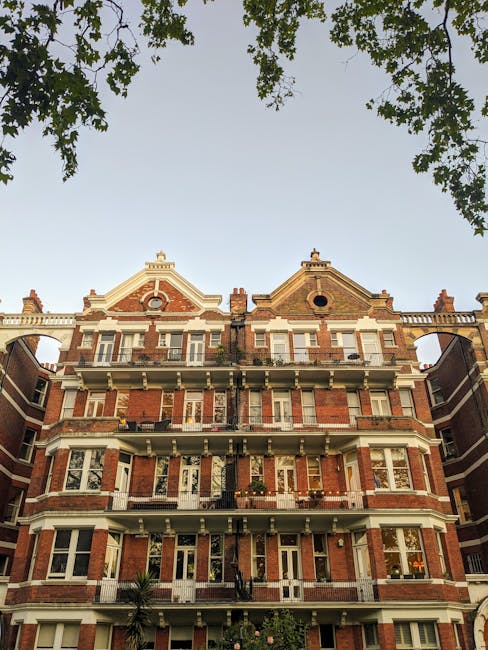
![The image shows the exterior facade of the Royal College of Music in West Kensington, a historic red brick and stone building with ornate architectural details, including pointed gables, arched windows, and decorative stone carvings. In front of the building, there are several cardboard boxes and wrapped furniture pieces positioned on the pavement, indicating a home relocation or moving activity. A person is seen carrying a box towards a van parked nearby, which is partially visible in the lower right corner, with the back doors open, suggesting loading or unloading for a house move. The scene is set during daylight hours, with a clear sky and a few pedestrians walking along the street. This setting illustrates typical stages of furniture transport and packing during a professional removals process, supported by [COMPANY_NAME], natural to moving logistics within the context of local house removals service near Kensington.](/pub/blogphoto/royal-borough-lift-restrictions-and-kensington-removals-timing1.jpg)
Why Royal Borough lift restrictions and Kensington removals timing Matters
In Kensington, moving is often constrained by more than one layer of logistics. You may be dealing with shared entrances, narrow corridors, resident-only parking, concierge windows, and lift access that is limited by the block itself. Royal Borough lift restrictions and Kensington removals timing matter because the removal plan has to match the building's rhythm, not the other way round.
For smaller flat moves, the lift can be the bottleneck. For larger houses or multi-room flats, the issue might be less about one lift and more about coordinating everyone involved: the removals crew, the building manager, the parking arrangement, and whoever is handing over keys. If just one piece slips, the whole chain slows down. And in Kensington, where access can be awkward even on a good day, a small delay tends to snowball.
There is also a trust angle here. A well-timed move reduces damage risk, keeps neighbours onside, and helps prevent the sort of rushed decisions that lead to scratched bannisters, chipped walls, or missing items. If you are comparing firms, it helps to understand whether they are used to apartment-heavy moves. Pages like flat removals in West Kensington and house removals support can give you a clearer sense of what sort of move fits your property type.
Expert summary: In Kensington, moving well is mostly about sequencing. If lift access, parking, and arrival times are aligned, the rest of the day gets much easier. If they are not, even a simple move can feel strangely exhausting.
How Royal Borough lift restrictions and Kensington removals timing Works
The phrase sounds formal, but the reality is straightforward. A building may limit when the lift can be used for removals, when large items can be moved through common areas, or whether the lift needs padding and supervision. In some blocks, the restriction is a management rule. In others, it is a practical one: lifts are small, shared by many residents, or simply not built for back-to-back furniture movement.
Timing usually has three layers.
- Building timing: when the lift can be reserved, used, or protected for moving day.
- Removal timing: when the crew arrives, begins loading, and completes the job.
- Local timing: parking, access, traffic, and any moving-in or moving-out deadline tied to your tenancy or completion.
In practical terms, the best move window is one where the lift booking, van arrival, and handover all fit together. If the lift is only available in a tight slot, a crew that arrives late or unprepared can burn the whole window before the first sofa is even out. That sounds dramatic, but anyone who has moved in a busy London block knows it happens.
For complex access, a move may also need extra planning around stairs, carrying distance, and item size. That is where specialist pages such as common stair access issues in West Kensington and the narrow-access flat removals checklist become genuinely useful background reading.
A good removals company will usually ask questions early: What floor are you on? Is the lift booked? Are there time limits? Is there a concierge? Can the van park close to the entrance? These are not fussy questions. They are the questions that save the day.
Key Benefits and Practical Advantages
Working around lift restrictions is not just about compliance. Done properly, it makes the whole move safer, quicker, and less stressful. That is the real point.
- Less physical strain: Using the lift correctly reduces the need for repeated stair carries and lowers the chance of injury or item damage.
- Better time control: A defined booking slot gives structure to the removals process, especially in apartment buildings with shared access.
- Cleaner handovers: When the move is timed well, there is less clutter in hallways and fewer awkward encounters with neighbours trying to get through.
- Lower chance of penalties: If your building has rules on lift booking or moving hours, good timing helps you avoid breach issues or extra charges.
- More accurate quotes: When access and timing are clear, the estimate is usually more realistic. That can help you avoid the hidden extras discussed in this guide to hidden charges in removal quotes.
There is a quieter benefit too. A well-run move tends to feel less invasive. Hallways stay clearer. The lift queue stays manageable. Your neighbours are less likely to remember your moving day for the wrong reasons. Small thing, but it matters.
Who This Is For and When It Makes Sense
This topic matters most if you are moving in or out of a Kensington flat, a mansion block, a converted townhouse, or any property with shared vertical access. It is also relevant if you are moving furniture, equipment, or a fragile item that really should not be dragged up the stairs unless absolutely necessary.
You will especially want to plan carefully if you are:
- moving from a top-floor flat with one shared lift
- handing over a rental property on a strict completion day
- moving on a weekday when building traffic is heavier
- moving a piano, heavy furniture, or bulky office items
- using a man and van service for a shorter but time-sensitive move
Students and sharers often underestimate this. A one-bedroom flat can still be a fiddly job if the lift is booked, the corridor is narrow, and everyone is moving at once. For those moves, services like student removals or man with a van support can be a sensible fit if the scope is modest and the timing is tight.
It makes sense, too, if you are trying to coordinate a same-day handover. In a city like London, where a property chain can be tense and deadlines can stack up, even half an hour matters. Truth be told, timing becomes a kind of quiet insurance policy.
Step-by-Step Guidance
Here is a practical way to plan your move around Royal Borough lift restrictions and Kensington removals timing without turning the process into a headache.
- Check the building rules early. Ask whether the lift must be booked, protected, or supervised. Find out the permitted moving hours and any noise or access limits.
- Measure the awkward stuff. Sofas, wardrobes, mattresses, mirrors, and appliances are the usual suspects. If something looks borderline, it probably is.
- Confirm parking and arrival space. A removals van needs somewhere sensible to stop. The shorter the carry, the better the flow.
- Set a realistic time window. Do not plan a full flat move on a slot that barely fits the lift booking. Build in breathing room.
- Tell the removals company everything. Floor number, lift size, stairs, access codes, concierge rules, and any item that needs special handling.
- Pack in load order. Keep the items you want loaded first near the front door and mark fragile pieces clearly.
- Prepare the lift area. If the building allows it, protect the lift and surrounding walls with coverings or blankets.
- Have a backup plan. If the lift fails or becomes unavailable, know which items can be moved first and which can wait.
A practical move is usually a disciplined one. Not rigid, just organised. And if you are still in the planning stage, packing and boxes support can help you get ahead before moving day sneaks up on you.
Expert Tips for Better Results
Most of the difference between a stressful move and a decent one comes from a handful of small decisions made before the van arrives.
Book earlier than you think you need to. In Kensington, good slots go fast, especially near month-end or around school and university turnover periods. If you are moving near the start or end of the month, do not leave access planning until the last minute.
Match the service to the access. A compact job may suit a man and van arrangement, while a fuller household move often needs a larger team and vehicle. Over-specifying can waste money; under-specifying usually wastes time. Both are annoying, to be fair.
Use specialist help for awkward items. If you have a grand piano, antique cabinet, or unusually heavy object, the lift rules become even more important. You do not want to improvise with something that should be handled carefully, so it is worth reviewing specialist piano removals and furniture removals if your inventory includes delicate pieces.
Think about storage as a pressure valve. If your move-in and move-out timings do not line up neatly, temporary storage can prevent a rushed, all-or-nothing day. It is often the simplest fix when the lift booking, cleaning, and completion times are all slightly out of sync. Life happens.
Choose a company that understands Kensington streets. Narrow roads, controlled parking, basement entrances, and awkward stairwells are normal here. A local crew will usually anticipate the kind of friction that catches out a generalist team. You can read more about the area-specific approach in these High Street Kensington moving tips.
Common Mistakes to Avoid
Most move-day problems are predictable. That is the irritating part. The good news is that predictable problems are usually avoidable.
- Assuming the lift is free all day. Many buildings limit use, and if someone else has the booking, your plan changes immediately.
- Leaving the booking until the week of the move. By then, you may have already lost the best slot.
- Underestimating packing time. People often focus on the van and forget that the boxes still have to be sealed, labelled, and ready to go.
- Not warning the building manager. A quick notice can prevent awkward disputes at the entrance.
- Forgetting fragile or oversized items. These pieces need longer handling times and sometimes a different route entirely.
- Ignoring parking constraints. If the van has to double-park far away, your carry time grows and the lift slot gets tighter.
One slightly awkward but very real mistake is believing that "it will probably be fine." That phrase has sunk more moves than most people would like to admit. A better mindset is: what could delay us, and how do we remove it now?
Tools, Resources and Recommendations
You do not need fancy software to move well, but a few simple tools make a big difference.
- A written moving timeline: note lift booking, van arrival, key collection, cleaning, and final handover.
- Room-by-room packing labels: these reduce confusion when the crew unloads quickly.
- Basic measurements: door widths, lift dimensions, sofa lengths, and mattress sizes.
- Photos of access points: useful if you want the removals team to assess steps, entrances, or tight corners before the day.
- Clear quote notes: write down any access issue that might affect labour time or vehicle positioning.
If you want to understand how your move may be priced, the most useful next step is often to review removal companies in West Kensington, compare service scopes, and check whether the quote includes access-related time. It is also worth reading W14 removals prices and parking tips near Olympia if your move is anywhere near the busier routes.
For risk and peace of mind, insurance and safety information is worth reviewing before booking. A move is a good moment to ask, politely but directly, how the company handles accidental damage, lift protection, and difficult access.
Law, Compliance, Standards, or Best Practice
Because this topic touches shared property access, safety, and building management, best practice matters even when there is no dramatic legal issue in sight. In many Kensington buildings, lift usage will be controlled by lease terms, building rules, concierge instructions, or management policies. Those rules can vary from block to block, so the safest approach is to treat them as binding unless you are told otherwise.
Good practice usually includes the following:
- checking move permissions in advance
- protecting lifts, walls, and floors where required
- keeping communal areas clear and safe
- avoiding excessive noise during restricted hours
- making sure the removals team knows the access route before arrival
Health and safety should not be an afterthought. A team lifting heavy items in a narrow lift, or carrying bulky furniture through a shared hallway, has to work carefully and consistently. That is why it helps to review a provider's health and safety policy before you commit.
Best practice also means being honest about what the job involves. If a firm asks about stair access, lift dimensions, or waiting restrictions, they are not being awkward; they are trying to reduce the chance of damage, delay, or disagreement. That is a good sign.
Options, Methods and Comparison Table
Different move setups suit different access realities. The best choice depends on the size of the load, the lift window, and how much support you want on the day.
| Method | Best for | Strengths | Trade-offs |
|---|---|---|---|
| Man and van | Smaller flats, short moves, lighter loads | Flexible, quicker to book, usually ideal for tight timing | Less capacity, may need careful packing discipline |
| Full removals team | House moves, larger flats, family relocations | Better for heavier loads, fuller protection, more efficient loading | Needs more planning and usually a longer booking window |
| Same-day removal | Urgent handovers and short-notice changes | Fast response, useful when plans shift suddenly | Less flexible if access details are incomplete |
| Storage-first move | When move-in and move-out timings do not match | Reduces time pressure and protects the schedule | Extra step, and sometimes extra cost |
If you are uncertain which route fits your situation, start with the access constraints first, not the price. The wrong service level can make a cheap move turn expensive very quickly. A calm quote beats a clever guess.
Case Study or Real-World Example
Picture a typical Kensington flat move on a Friday morning. The tenant has to leave by lunchtime, the lift is bookable only between 9:00 and 11:00, and the van can stop briefly outside but not stay there forever. The flat is on the fourth floor. There is a sofa that barely fits the lift on paper, a bookshelf that definitely does not, and a corridor that feels narrower once you are carrying something bulky.
In a move like this, the difference between success and stress is usually preparation. The team arrives early enough to assess the route, the boxes are marked by room, the lift is protected, and the largest items are loaded first while the booking window is live. The bookshelf is either dismantled or handled via stairs in a controlled way. The move is not glamorous. It is just organized.
Now imagine the same move with poor timing. The van is late. No one reserved the lift properly. The tenant still has boxes to finish while the crew waits in the hallway. Suddenly the booking window shrinks, the handover is rushed, and someone starts making decisions on the fly. That is when mistakes happen. Not because people are careless, but because the moving day was never properly staged.
For moves that involve difficult access, it can help to read the more detailed access guides such as the common stair access problems guide and the Kensington Palace home removals guide. Different property types, same general lesson: know the route before the first box moves.
Practical Checklist
Use this before your moving date. It is simple, but it catches a lot.
- Confirm the lift booking or access window in writing if possible
- Tell the building manager or concierge about the move
- Check van parking options and loading restrictions
- Measure large furniture against the lift and stair route
- Separate fragile items and mark them clearly
- Pack essentials in one clearly labelled box
- Make sure keys, codes, and entry instructions are ready
- Ask whether lift protection or floor covering is required
- Keep contact details for the removals team handy on the day
- Build in extra time for delays. Always. Seriously.
Quick practical note: if you are moving furniture first and personal items later, say so. It helps the team plan the lift usage properly and avoids awkward reshuffling halfway through.
Get a free quote today and see how much you can save.
Conclusion
Royal Borough lift restrictions and Kensington removals timing are really about one thing: avoiding friction before it starts. If you know the building rules, match the removals slot to the access window, and choose a team that understands Kensington's quirks, the day becomes much easier to manage.
That does not mean every move will be perfect. Sometimes a lift gets stuck, parking goes sideways, or someone forgets to mention a basement entrance. But a good plan gives you room to absorb those little surprises without the whole day unravelling. And that, honestly, is what most people need most.
If you are still deciding on the right moving support, you can explore more about the team behind the service on the about us page or get in touch directly to talk through your timings and access needs. A short conversation now can save you a very long afternoon later.
Moving in Kensington can be demanding, yes, but with the right timing it can also feel surprisingly manageable. One good decision at a time.
![The image shows the exterior facade of the Royal College of Music in West Kensington, a historic red brick and stone building with ornate architectural details, including pointed gables, arched windows, and decorative stone carvings. In front of the building, there are several cardboard boxes and wrapped furniture pieces positioned on the pavement, indicating a home relocation or moving activity. A person is seen carrying a box towards a van parked nearby, which is partially visible in the lower right corner, with the back doors open, suggesting loading or unloading for a house move. The scene is set during daylight hours, with a clear sky and a few pedestrians walking along the street. This setting illustrates typical stages of furniture transport and packing during a professional removals process, supported by [COMPANY_NAME], natural to moving logistics within the context of local house removals service near Kensington.](/pub/blogphoto/royal-borough-lift-restrictions-and-kensington-removals-timing3.jpg)

