
Kensington parking permits for removals and council rules
Posted on 08/07/2026
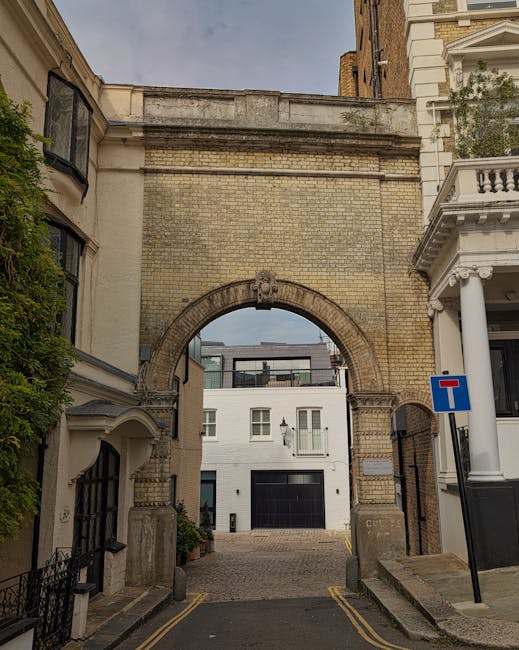
![An empty residential cobblestone alleyway in West Kensington, with brick terraced houses on the right side, featuring large sash windows and white window frames. Potted plants and small shrubs line the base of the buildings and along the pavement on the left, which is bordered by a low brick wall with greenery. A tall tree with leafy branches extends above the alley, partially obscuring the sky, which is filled with scattered clouds. The setting appears calm and quiet, suitable for home relocation or furniture transport purposes. This image is relevant for content about Kensington parking permits for removals and council rules, illustrating the typical environment where removals services like those from [COMPANY_NAME] operate during house moves in the area.](/pub/blogphoto/kensington-parking-permits-for-removals-and-council-rules1.jpg)
Kensington parking permits for removals and council rules: a practical moving guide
If you are moving in Kensington, parking can become the bit that quietly causes the most stress. The van is booked, the boxes are stacked, the lift may or may not be available, and then you realise the road outside has restrictions that could turn a simple move into a frustrating scramble. That is exactly why Kensington parking permits for removals and council rules matter. Get them right, and moving day feels organised. Get them wrong, and you may be left circling the block, paying avoidable charges, or working under pressure while everyone watches the clock.
This guide explains how removal parking works in Kensington, why council rules affect your move, and what to do before the first sofa leaves the flat. You will also find a checklist, a comparison table, and a few practical tips that come from real-world moving situations rather than theory. If you are also comparing moving support, you may want to look at our removals in West Kensington page, or read more about our services overview before you plan the logistics.
Why Kensington parking permits for removals and council rules matters
Kensington is not the kind of place where you can assume there will be convenient space outside the building. Between controlled parking zones, narrow streets, resident bays, time-limited bays, suspension notices, and the usual London traffic, a removal vehicle needs a plan. In many cases, the challenge is not distance. It is access.
That matters because moving day is already a moving target. Delays ripple quickly. If the van cannot stop close enough to the entrance, the crew spends longer carrying furniture. That can affect labour time, cost, and even whether the move finishes in one day. In some streets, one badly parked vehicle can disrupt neighbours, loading bays, or busier traffic flows. Nobody wants that. Not the movers, not the residents, and definitely not the person trying to hand back keys by lunchtime.
Council rules exist to keep access fair and safe. They help prevent blocked roads, protect pedestrians, and reduce conflict over limited parking. For removals, that usually means checking whether a permit, dispensation, bay suspension, or booking arrangement is needed. It also means thinking about timing. A permit on the wrong day, or for the wrong stretch of road, is almost as unhelpful as no permit at all.
If you are moving from a period property, a mansion block, or a compact flat with narrow hallways, parking control becomes even more important. Our guides on flat removals in West Kensington and narrow-access flat removals show how access problems often combine with parking restrictions. The two issues usually arrive together, like they were invited to the same party.
How Kensington parking permits for removals and council rules works
The exact process can vary depending on the street, property type, and the local restriction in place. In plain English, here is the basic idea: if a removal van needs to stop in a regulated space, you may need permission or evidence that the stop is allowed. In some locations, a bay can be suspended temporarily. In others, a dispensation may be needed for loading or unloading. Sometimes a property is outside the most restrictive controls, but you still need to check the signs carefully.
Do not rely on guesswork. One road can differ from the next. Even on the same street, the rules may change by bay type, day of week, or time of day. A sign that looks vaguely familiar is not the same as confirmation. Let's face it, moving is busy enough without trying to interpret a parking sign at 7.30 in the morning while holding a clipboard and coffee.
The sensible process usually looks like this:
- Identify the exact moving address and the vehicle type you expect to use.
- Check the parking controls on the street and near the entrance.
- Confirm whether the vehicle can legally stop for loading or whether special permission is needed.
- Arrange any permit, dispensation, or bay suspension far enough in advance.
- Share the details with the removal team so the driver knows where to go and what to expect.
- On the day, place signage or instructions only where they are allowed and keep paperwork accessible in case anyone asks.
For many moves, a small van may be easier to position than a larger lorry. That is why some people prefer a man and van or a man with a van service when access is tight. Smaller vehicles do not eliminate council rules, of course, but they can make compliance and loading simpler.
What counts as a removal-related parking issue?
Common examples include resident bays, pay-and-display bays, loading restrictions, yellow lines, red route-style restrictions in busy corridors, and temporary suspensions. A road closure, event traffic plan, or nearby building work can also change what is realistic on the day. Even lift restrictions in some buildings can shift the timing window, which is why our article on lift restrictions and removals timing is worth a look if your building uses shared access.
Key benefits and practical advantages
Sorting the parking side properly pays off in several ways. The benefits are not glamorous, but they are very real.
- Less delay on moving day - the crew can start unloading sooner if the van is close to the entrance.
- Lower risk of enforcement problems - a properly arranged permit reduces the chance of a ticket or complaint.
- Better labour efficiency - fewer extra carrying steps means the team can focus on the move itself.
- Reduced stress for the client - there is a lot less last-minute panic when the parking position is already sorted.
- Cleaner coordination with the building - concierge teams, neighbours, and building managers are easier to work with when they know what is happening.
There is also a quieter benefit that people often overlook: confidence. When parking is handled well, the whole move feels more controlled. The van arrives, the team gets to work, and everyone stops checking the window every five minutes. That calm matters more than it sounds like it should.
If you are comparing service levels, you may also want to review our pricing and quotes information and the wider removal companies in West Kensington page so you can understand how planning, parking, and access often affect the final cost.
Who this is for and when it makes sense
This topic matters to more people than you might think. It is not just for large house moves. Kensington parking permits for removals and council rules matter if you are:
- moving from a flat with limited street access
- moving into a townhouse or mews property on a narrow road
- using a large removal lorry in a controlled parking area
- working with a tight loading window
- coordinating with a concierge or building manager
- moving antiques, pianos, or bulky furniture that needs the van to be close
- doing a same-day move where every minute counts
Students moving into or out of Kensington often assume the move will be simpler because the load is smaller. Sometimes it is. Sometimes not. If the street access is awkward, even a few boxes and a mattress can become a logistical puzzle. Our student removals in West Kensington page covers some of those practical realities.
Likewise, office and commercial moves often need more careful planning because they can involve multiple trips, loading bays, and timed access windows. If that sounds like your situation, the guidance on office removals may be relevant too.
Step-by-step guidance
Here is the part most readers want: the practical sequence you can actually follow.
- Start with the address, not the vehicle. Look at the street first. Read the signs. Check whether there are resident bays, loading restrictions, or time windows that affect stopping.
- Measure the likely loading point. The best parking spot is usually the one closest to the entrance, but not always. If a van has to sit too far away, the walking time adds up quickly.
- Ask whether a permit or suspension is needed. Different streets may need different arrangements. If you are unsure, do not leave this to the morning of the move.
- Book the move around the parking window. If the loading space is only realistic at certain times, schedule the crew to arrive then. Simple, but easy to overlook.
- Brief the removal team. Tell them about one-way access, entrance steps, lift restrictions, and any building rules. Good removal crews hate surprises, in the best possible way.
- Keep proof and instructions handy. Even if the paperwork is digital, have the key details ready. On moving day, no one wants to rummage through emails.
- Plan for overflow. Sometimes the van cannot park exactly where you hoped. Have a fallback option, such as a smaller vehicle, a porter route, or a later loading slot.
When a property is especially tight for access, smaller vehicle options can make sense. That is one reason people look at a removal van rather than something oversized. It sounds obvious when written down. In the rush of moving, though, obvious things are the first to disappear.
Expert tips for better results
After enough moves, a few patterns become very clear. Here are the tips that tend to save the most trouble.
- Check the street at the same time of day as your move. A road that looks fine on a quiet Tuesday afternoon may be busy and awkward at 8 a.m.
- Assume it will take longer than you think. Especially in Kensington, where access, stairs, and parking can stack up against you.
- Use the smallest practical vehicle. Not every move needs a large lorry. A smaller van can be easier to manoeuvre and less disruptive.
- Coordinate with neighbours if needed. A little courtesy goes a long way when shared access is involved.
- Keep the lift booked or protected. If your building has a shared lift, make sure the removal slot and lift access line up. It sounds boring. It saves arguments.
- Work from the end of the route backwards. Start by thinking about where items will come out, then where the vehicle will sit, then how the team will carry items between the two.
If you are handling something delicate, such as a piano or a bulky wardrobe, the parking arrangement matters even more because the team may need extra room for loading equipment. Our piano removals page and furniture removals page are useful references for those heavier, more awkward jobs.
Small detail, big difference: ask what happens if the van arrives and the space is blocked. That one question can prevent a whole chain of stress later.
Common mistakes to avoid
Most moving-day parking mistakes are completely avoidable. The annoying part is that they are also very ordinary.
- Leaving permit checks too late. This is the classic one. People mean to sort it out, then it is suddenly the evening before the move.
- Assuming a loading bay is always available. Temporary suspensions, deliveries, and residents all compete for the same space.
- Using the wrong address or bay details. A small typo can be enough to create confusion, which is the last thing you need.
- Ignoring building rules. Council permissions are one thing. Private building management rules are another.
- Overestimating how much the team can carry from a distance. A long walk from the van to the door can drain time and energy fast.
- Forgetting about timing bottlenecks. Lift access, stair access, and parking all interact. If one slips, the whole schedule can wobble.
There is a useful article on common stair access problems in West Kensington that pairs well with parking planning, because these issues often arrive together. One by itself is manageable. Two together? That is where the day gets messy.
Tools, resources and recommendations
You do not need a huge toolkit, but you do need a tidy one. The best resources are usually practical, not fancy.
- A written move plan with the address, timing, contact name, and access notes.
- Vehicle details including approximate size and whether it needs a long stop or several quick drops.
- Building contact information in case the concierge, landlord, or managing agent needs to confirm access.
- Photo notes of the street taken before moving day. A quick snap of signage can be more useful than memory.
- Boxes and labelling materials so the team can unload quickly and keep items organised.
If you are still at the planning stage, our packing and boxes page can help you get the load ready in a way that supports faster unloading. And if you need storage during a staggered move, the storage options page is a sensible next stop.
For readers comparing service choices, the pages on house removals and same-day removals are useful because parking pressure tends to affect those jobs the most.
Law, compliance, standards, or best practice
Parking and loading rules in Kensington are not just a suggestion. They are part of how the street system is managed. That means you should treat any permit, dispensation, or bay arrangement as a genuine compliance task, not a casual admin step. The safest approach is to follow the council's published rules for the exact street and time you are using, and to keep your evidence organised.
Best practice is usually straightforward:
- check restrictions before you confirm the move time
- keep written confirmation where possible
- make sure the vehicle matches the permission granted
- do not park outside the approved window
- share access instructions with the moving crew
- respect residents, pedestrians, and neighbouring businesses
In terms of wider moving standards, professionalism matters. A good removal team should be clear about access planning, careful with loading, and realistic about what the street can support. That is part safety, part customer service, and part common sense. There is no magic to it. Just discipline.
Our health and safety policy and insurance and safety pages explain how careful planning supports safer removals more generally. If you want a broader sense of how the company works, the about us page is also worth a look.
Options, methods, or comparison table
There is rarely just one way to handle removal parking in Kensington. The right choice depends on the property, the street, and the load.
| Method | Best for | Strengths | Watch-outs |
|---|---|---|---|
| Standard street parking with loading allowed | Short, simple moves on less restricted roads | Quick and efficient if the space is genuinely available | Can be disrupted by other vehicles or timing limits |
| Permit or dispensation | Controlled streets with formal permission needed | Improves certainty and reduces the risk of enforcement | Needs advance planning and correct details |
| Bay suspension or reserved loading space | Moves that need clear curbside space | Creates a protected area for the van | May involve extra admin and timing rules |
| Smaller van with staged loading | Narrow streets and tight access | Easier to manoeuvre and position | May require more trips if the load is large |
If you are moving a full household, a larger vehicle can be efficient, but only if the street can genuinely support it. For smaller or tighter jobs, a man with a van arrangement can sometimes be the most practical option. It is not about doing the fanciest thing. It is about choosing what works on the day.
Case study or real-world example
A recent Kensington move involved a couple leaving a second-floor flat in a road with limited space and fairly strict parking controls. They assumed the van could stop directly outside for an hour while furniture was loaded. In reality, the best realistic option was a shorter loading position a little further along the road, combined with a tighter schedule and a smaller vehicle.
What made the move work was not luck. It was preparation. The team checked the street layout in advance, confirmed the likely loading point, and planned the carry route from the flat to the van. The lift was not reliable enough to trust completely, so the team protected the timing window by starting with the bulky items first. The van sat where it legally could, the neighbours were informed, and the whole move stayed calm enough that nobody had to start shouting across the stairwell. A small mercy, really.
That kind of move shows the main lesson clearly: the parking plan is part of the removal plan. Not an add-on. Not a side note. Part of the main event.
Practical checklist
Use this checklist a few days before the move. Honestly, it saves headaches.
- Confirm the exact moving address and postcode
- Read the parking signs on the street and near the entrance
- Check whether a permit, dispensation, or suspension is needed
- Make sure the parking arrangement matches the vehicle size
- Tell the removal team about stairs, lifts, and narrow access
- Share contact details for the building manager or concierge
- Prepare boxes, labels, and any bulky items in advance
- Keep the moving schedule realistic rather than optimistic
- Have a backup plan if the main loading point is blocked
- Keep documents and confirmations easy to access on the day
If you are still weighing your service options, you can also review removal services in West Kensington and our pricing and quotes information to see how planning and access affect the wider move.
Get a free quote today and see how much you can save.
Conclusion
Kensington parking permits for removals and council rules are one of those topics that seems small until it suddenly becomes the most important part of the day. If you get the parking side right, everything else tends to flow better: loading is smoother, the crew stays on schedule, and the move feels properly under control. If you miss it, the whole thing can become more tiring and more expensive than it should be.
The good news is that this is very manageable with a bit of planning. Check the road, confirm the permissions, brief the movers, and keep your timing realistic. That combination solves most of the pain points people run into around Kensington moves. And once the van pulls away and the last box is inside, you will be very glad you took the extra few minutes to do it properly.
Moving home is stressful enough. Parking should not be the thing that defeats you. One calm decision at a time, and you get there.
![An empty residential cobblestone alleyway in West Kensington, with brick terraced houses on the right side, featuring large sash windows and white window frames. Potted plants and small shrubs line the base of the buildings and along the pavement on the left, which is bordered by a low brick wall with greenery. A tall tree with leafy branches extends above the alley, partially obscuring the sky, which is filled with scattered clouds. The setting appears calm and quiet, suitable for home relocation or furniture transport purposes. This image is relevant for content about Kensington parking permits for removals and council rules, illustrating the typical environment where removals services like those from [COMPANY_NAME] operate during house moves in the area.](/pub/blogphoto/kensington-parking-permits-for-removals-and-council-rules3.jpg)

